
The UK experienced its warmest spring on record, and if the recent heatwave is any indication, it’s looking to be an exceptionally hot summer too.
Whether you’re planning a weekend getaway, jetting off abroad, or making the most of the sunshine at home, a few simple checks now can help keep your home comfortable, reduce unnecessary energy use and prevent heating surprises when temperatures start to drop again.
1. Run your heating for 10 minutes during the summer
It may seem counterintuitive, but we recommend running your heating for 10 minutes.
Your heating system may not have been used for several months. Running it briefly over the summer can avoid the pump from ceasing up and, help identify and resolve issues ahead of the colder weather arriving.
As summer is usually a quieter period for our engineers, they may be able to attend much quicker too.
What to look out for:
- Unusual noises from your radiators or underfloor heating
- Leaks or damp patches around your heat interface unit (HIU) and pipework
- Intermittent heating and/hot water
- Radiators that aren’t warming up properly or evenly
- Error messages on your heating controls e.g., programmer, room thermostats, energy meter
If you notice any problems, contact your heat supplier, operator or maintenance provider. You can find their details under ‘Emergency contact’ on your development’s webpage.
2. Start building a winter budget now
Summer is often when heating & hot water use is at its lowest, making it the perfect time to start preparing for the colder months ahead.
This tip comes highly recommended by our Billing team, and it’s something that’s worked well for me in the past.
Looking back at my own energy use, I know my consumption increases between October and March. By setting aside a little extra money over the summer, I can spread my energy costs more evenly across the year and avoid having to make larger payments during winter.
You don’t need to be a budgeting expert to do this. The idea is simply to pay a consistent amount towards your energy each month, building up credit when your usage is lower and using it when your usage naturally increases with the weather.
Many energy providers (Insite included) offer ways to do this through fixed Direct Debits or date-based automatic top-ups. If yours doesn’t, your online banking service may allow you to create a savings ‘pot’ or a separate account dedicated to household bills, making it easy to set aside a regular amount each month.
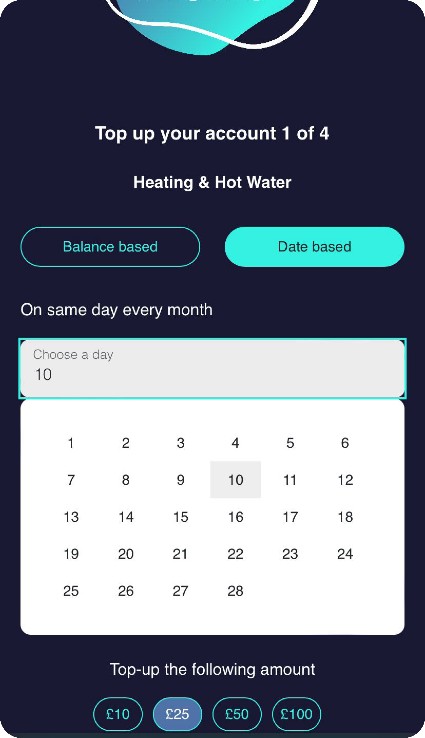
Pay-as-you-go (PAYG) residents can set a date-based auto top-up via ‘my insite’ to build up credit over the summer, ready to use during the winter months.
|
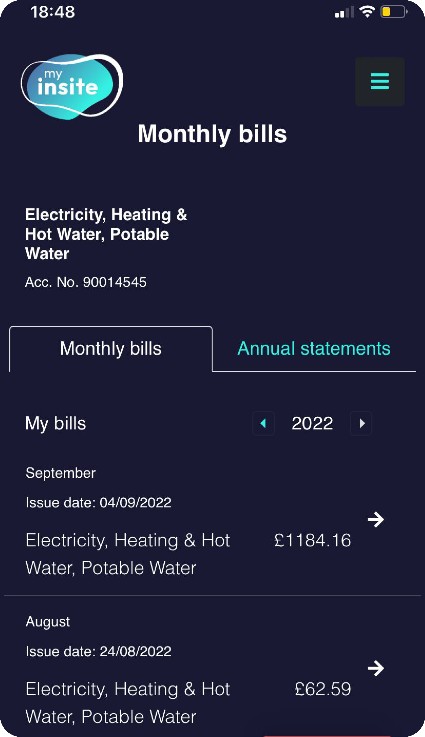
Credit billed residents can check their balance, via ‘my insite’ at any time and see the details of their Direct Debit once in place. Contact details on how to set-up a fixed Direct Debit can also be found within ‘my insite’. |
If you’ve lived in your home for at least a year, estimating how much to put aside is relatively straightforward. Look at what you’ve spent over the last 12 months, factor in any tariff changes, and divide the total across the year.
If you’ve recently moved in, you can use average consumption figures for a similar-sized home alongside your tariff information to estimate your annual costs. Just remember that energy use can fluctuate depending on your energy needs, and the size, age and efficiency of the heat network serving your property.
And don’t worry about building up too much credit. If you move home, any remaining credit on your account will be refunded when your account is closed. Simply complete our moving out form and provide all information requested so that your account can be closed correctly.
3. Use cooling devices smartly
It’s 28°C as I’m writing this, so my fan is currently my best friend. However, fans, portable air-conditioning units and other cooling devices increase electricity use, particularly when left running for long periods. So, to avoid high electricity bills at the end of the month, it’s worth keeping in mind some smart ways to use these cooling devices.
Our Head of Marketing covers most of it in our ‘Energy saving tips: summer edition’ video:
- Open windows early in the morning or later in the evening when temperatures are lower.
- Keep curtains and blinds closed during the hottest parts of the day.
- Dry clothes outside where possible to avoid adding heat indoors.
- Keep portable fans and AC units away from thermostats so your heating controls can accurately measure room temperature.
Got air conditioning or cooling? Set it to a comfortable temperature (Energy Saving Trust recommend 24°C or higher) rather than the coldest possible setting. Your system (and wallet) will thank you.
We also recommend switching cooling devices off when you leave the room and using timers where available. Remember, fans cool people rather than rooms, so leaving one running in an empty room is unlikely to help.
4. Going away? Leave your home summer-ready
If you’re heading away this summer, take a few minutes to prepare your home before you leave to help keep it cooler, reduce unnecessary energy use, and give you one less thing to worry about while you’re away.
Before heading off on holiday:
- Close your windows, curtains or blinds to help keep indoor temperatures down and stable.
- Switch off unnecessary electrical appliances rather than leaving them on standby. This will prevent heat generation and reduce electricity consumption.
- Turn off portable fans, air conditioners and other cooling devices.
- If your home has smart controls, manage your room temperature settings remotely before you return.
If you’ve noticed any issues with your heating and/or hot water recently, report them before you travel. It could save you returning home to an unexpected problem.
It’s also worth checking that your energy account has enough credit to last the duration of your travels, as your daily standing charge (DSC) will continue to deduct from your balance, regardless of energy used. You can use ‘my insite’ to check your available balance remotely and top-up as needed, helping avoid coming home to a cold shower.
When it’s boiling outside, heating isn’t usually top of mind. But summer is the perfect time to carry out a few simple checks that can help you stay comfortable now and avoid headaches later.
Building up credit for winter, cooling your home more efficiently, or completing some quick checks on your heating system for potential issues can all make a real difference.
So, whether you’re staying home or heading off on holiday, enjoy the summer knowing you’ve already taken a few steps towards a smoother heating season ahead.