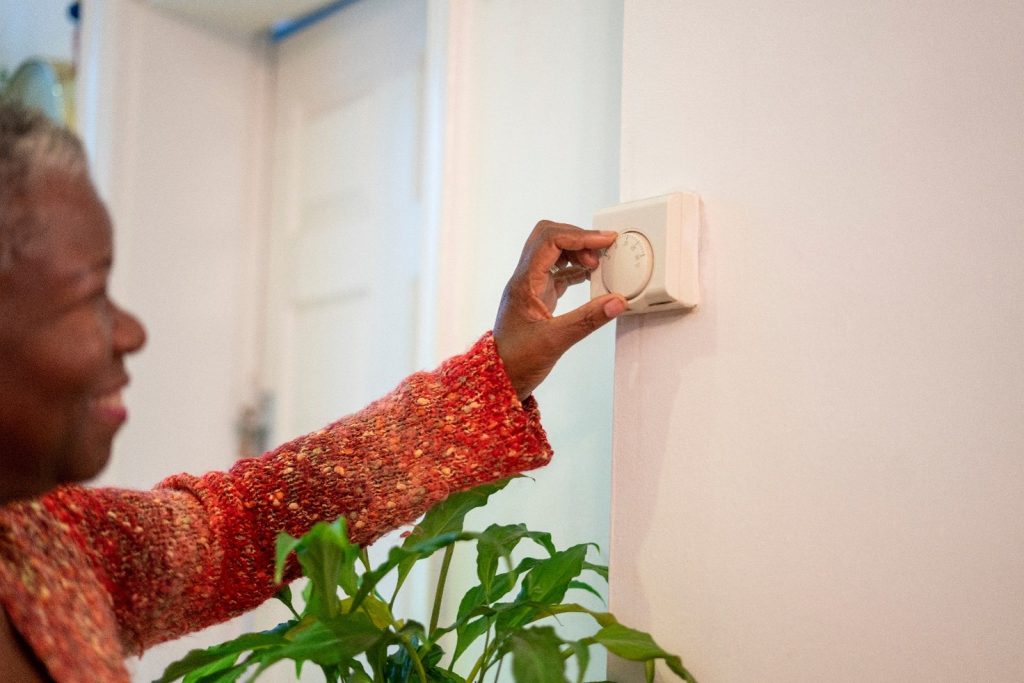
“Does my heating system’s water quality affect my drinking water?”
It’s a question we often hear from clients and residents. In reality, this is extremely rare. In multi-occupancy buildings, heating and drinking water systems are separate. UK water regulations require strict backflow protection to prevent any risk of cross-contamination.
That said, water quality matters for both systems. While poor drinking water (also called potable or boosted cold water) can pose a direct health risk, the low temperature hot water (LTHW) system in your heat network does not. But, it doesn’t mean it’s any less important with poor water quality affecting system performance, operational costs, and resident comfort.
In our mechanical compliance audits (MCAs), only 15% of operators could provide any evidence of LTHW water quality treatments. This gap is worrying, it shows how easily critical issues can be overlooked and why proactive monitoring is essential.

Why heat network water isn’t the same as tap water
Understanding the two systems is the first step in managing water quality effectively. Boosted cold water is an open system because it flows directly into properties and is exposed to environmental conditions.
LTHW systems, on the other hand, are typically closed; circulating water through a network of pipes to deliver heating without being consumed directly.
Confirming whether you’re operating an open- or closed-loop system is essential when planning water quality monitoring.
LTHW water quality isn’t automatic
One of the biggest mistakes operators make is assuming that LTHW systems are low risk because they don’t directly affect health. In reality, untreated or poorly monitored water can develop limescale, corrosion, and sludge build up. Strainers can become blocked, heat transfer can be reduced, and pumps may experience increased strain.
These smaller issues often go unnoticed until a critical problem emerges.
Over time, system reliability can decline, efficiency can drop, energy costs can rise, and assets may fail prematurely. What begins as a minor maintenance oversight can rapidly become a costly operational problem, affecting both the network and the residents it serves. In some cases, residents may experience long periods without heating or hot water, creating financial as well as reputational consequences.
The real cost of ignoring LTHW water quality
The impact of poor LTHW water quality is not just theoretical, it has real financial and operational consequences. In one case study, pipework began to degrade due to untreated water, eventually resulting in a leak that required replacement. Residents on multiple floors were without heating for a week while the work was completed.
Long-term modelling further illustrates the scale of the problem. Heat networks are typically designed for a 25-year lifespan, but poor water quality can reduce this to less than 5 years. This reduction is driven by accelerated corrosion, scale formation and reduced heat transfer efficiency, which significantly shorten asset life. Over a 30-year period, the cost of prematurely replacing these assets can be substantial, far exceeding the investment needed to monitor and maintain water quality proactively.
These examples make it clear that neglecting LTHW water is not simply a minor oversight, it is a risk that can compromise system performance, increase costs, and directly affect resident comfort.
Proactive operators take control
Leading operators treat water quality as a central part of heat network management. They record maintenance, testing, and monitoring meticulously, including chemical dosing, circulation checks, flushing schedules, and corrective actions. These should be carried out in line with industry best practice as set out in CIBSE CP1:2020 and BG 50/2021.
Any system upgrades or pipework replacements should also be assessed for their potential impact on water quality, ensuring the network remains efficient and reliable.
A mechanical compliance audit every one to three years is also advised to help identify risks before they escalate.
By implementing these practices, operators protect assets, reduce operational costs, and ensure residents continue to receive consistent heating and hot water.
Because water quality isn’t optional, it’s a cornerstone of a well-managed heat network.